
Guide
How to design an Airbnb that generates more bookings (and better reviews)
Subscribe to our newsletter!
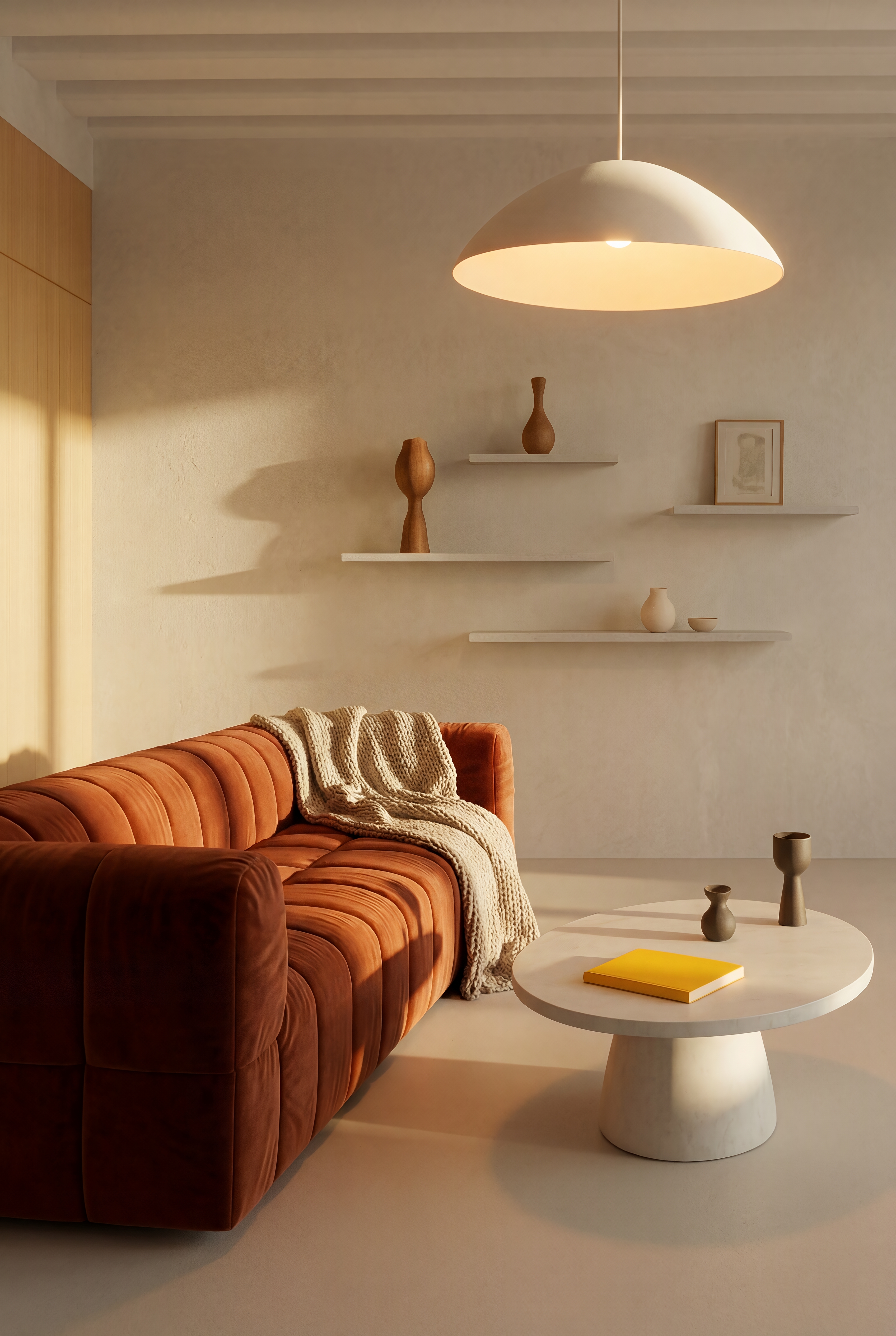
You've invested in an Airbnb apartment. You've furnished it, taken photos, and… the bookings aren't coming in. Or they are, but the reviews are mediocre. The problem probably isn't your location or your price. It's your design.
By 2026, an Airbnb will no longer compete only with other Airbnbs. It will compete with boutique hotels, with the visual experience of Instagram, and with the sky-high expectations travelers have after seeing thousands of perfectly designed spaces.
This article will tell you exactly how to design (or redesign) your Airbnb listing to stand out, generate more bookings, and get 5-star reviews. It's not theory: it's what works in 2026.
Why design matters more than ever
The numbers don't lie:
- A well-designed Airbnb can charge 20-40% plus per night that a basic one in the same area
- The first photos determine the 80% of the reserves (people decide in 3 seconds)
- "Instagrammable" spaces generate free content that attracts more guests
- The good reviews mention the design in the 65% of the cases
We're not talking about decoration. We're talking about experience, functionality, and profitability.
The 5 principles of design for Airbnb
Before getting into the specifics, understand these fundamental principles:
1. Design for the photo
Your Airbnb needs to look amazing in photos. Your future guests will never see it in person before booking. Every corner should be a photo opportunity.
2. Experience with budgeting
You don't need to spend €20,000. You need smart choices. A well-designed €3,000 apartment beats a poorly designed €10,000 one.
3. Functionality first, aesthetics later
A beautiful space is useless if the Wi-Fi doesn't work, there's nowhere to hang clothes, or the kitchen lacks basic amenities. Design with the guest's journey in mind.
4. Less is more (but warm)
Cold, hotel-style minimalism doesn't work on Airbnb. People are looking for "stylish homes," not "Nordic operating rooms." Aim for a balance between clean and inviting.
5. Clear identity
Having a defined concept (boho, industrial, Mediterranean, Japanese) works better than mixing random styles. Consistency sells.
The critical path: what to do first
PHASE 1: Define your ideal guest (2-3 days)
Before buying a single piece of furniture, ask yourself:
Who's going to stay here?
- Romantic couples → bedroom as the main feature, warm lighting, jacuzzi/bathtub
- Families → versatile spaces, play area, equipped kitchen
- Digital nomads → ergonomic desk, real chair, power outlets everywhere, powerful WiFi
- Groups of friends → spacious common areas, party area, secondary bedrooms
How long are they staying?
- Short stays (1-3 nights) → visual impact, "resort" experience«
- Long stays (1+ weeks) → functionality, comfort, feeling of home
Your design should be optimized for your guest persona. An Airbnb for everyone is an Airbnb for no one.
🏠 Join over 500 Airbnb hosts
Receive our monthly newsletter with design strategies,
Optimization and profitability for tourist accommodations.
✓ Practical guides and realistic budgets
✓ Success stories and lessons learned
✓ Zero spam, 100% useful content
PHASE 2: The spaces that matter (and in what order)
Not all spaces have the same impact. Prioritize your investment like this:
1. The cover photo (60% of the impact) The first image a guest sees is what determines their booking. It's usually:
- Lounge with general view
- Impeccable master bedroom
- Terrace/balcony with views
Invest 30% of your budget in making this space SPECTACULAR.
2. Master bedroom (25% impact) Where people spend the most time. It must be:
- Large, comfortable bed (don't skimp on the mattress)
- Quality sheets (minimum 200 thread count)
- Warm indirect lighting
- Bedside tables with sockets
- Blackout curtains (critical for ratings)
- Silent air conditioning
3. Bathroom (10% impact but critical for reviews) A mediocre bathroom ruins the experience. You need:
- Shower with good water flow
- Powerful and instant hot water
- Decent amenities (not typical 3-star hotel fare)
- Mirror with good lighting
- Absolute order and cleanliness
4. Kitchen (5% if fully equipped, penalized if incorrect) It depends on your target audience:
- Short stays: good coffee maker, the basics for breakfast
- Long stays: fully functional kitchen
The worst thing is a half-baked kitchen: if you have an oven, make sure there are baking trays. If you have pans, make sure there are spatulas. Inconsistency is frustrating.
The elements that multiply your conversion rate
1. Stratified lighting (the most underestimated factor)
Lighting defines the atmosphere of a space. Many Airbnbs only have cold, office-style overhead lighting. Terrible.
What you need:
Ambient light (40-50% of the lighting)
- General ceiling light, adjustable, ideal
- Hidden LED strips (behind furniture, in baseboards)
- Temperature: 2700-3000K (warm)
Accent light (30-40%)
- Floor lamps in corners
- Wall sconces (add depth)
- Spotlights directed at decorative elements or art
Functional light (20-30%)
- Bedside lamps with USB
- Desk work light
- Focused lighting in kitchen and bathroom
The trickHaving multiple light sources that can be switched on independently allows guests to create their desired ambiance.
Budget: €300-€800 in lighting completely transforms a space.
2. The bed: where you can't skimp
801% of the bad reviews mention the bed. 901% of the 5-star reviews praise it.
Invest in:
- Quality mattress (€600-€1,200): Forget the €200 one from Ikea. Think 4-star hotels. Recommended brands: Emma, Dormio, Flex
- Cotton sheets 100% (200+ thread count): Noticeable softness. Makes a difference
- Real pillows (€30-€60 each): Have 4 per bed, two firm + two soft
- Quality duvet (not Nordic fine): Suitable weight, feels premium
- Waterproof mattress protector (functional but invisible)
Budget: €1,000-€1,800 per bedroom. It's the 50% of your experience.
3. WiFi that ACTUALLY works
«"The WiFi wasn't working" is the silent rating killer.
The bare minimum:
- 100 Mbps symmetrical (300 Mbps ideal for digital nomads)
- Professional router, not the one from the operator.
- Repeaters/mesh if the floor is large
- Speed test from all angles
The detail that makes you fall in love:
- Leave the WiFi password in an obvious and aesthetically pleasing place (small sign, frame)
- If your target audience is remote workers, include WiFi speed in the ad title.
Budget: €80-200 + €30-50/month fiber
4. The work corner (mandatory in 2026)
Post-pandemic, 40% guests work at least part-time during their stay.
If your target audience includes digital nomads:
- A proper desk (120x60cm minimum)
- Ergonomic chair (not dining chairs)
- Direct and indirect light
- Nearby power outlets (includes USB)
- View if possible
Bonus: Many Airbnbs don't offer this. Simply adding it will make you appear in specific "workation" searches and help you stand out.
Budget: €200-500 (desk + chair + lamp)
5. Details that turn visitors into bookings
These elements appear in the photos and generate "micro-decisions" regarding booking:
Strategic textiles:
- Blankets and cushions (texture + color) → instant warmth
- Rugs (define spaces) → feeling of home
- Quality curtains → not those €15 ones from Zara Home
Plants (live ones, please):
- 3-5 medium/large plants transform a space
- Choose hardy species: Monstera, Pothos, Ficus
- Automatic irrigation if you have many properties
Art and personality:
- 3-5 pieces of art (not Ikea posters seen a thousand times)
- Prints from Desenio, Etsy, or local artists
- Consistent frames (all black or all wood)
Books and magazines:
- Stack of 5-10 beautiful books on a coffee table
- Local guides, photography books
- It gives the feeling of a curated home
Total budget in these details: 400-800€
Photographic spaces (design for Instagram)
601% of guests share their Airbnb experience on social media. This is free marketing for you.
Create "photo moments":
1. The reading corner:
- Comfortable armchair near window
- Floor lamp
- Folded blanket + cushion
- Plant next door
- Small table with open book
2. The perfect bed:
- White or neutral-colored sheets
- 4-6 decorative cushions
- Blanket at the feet
- Symmetrical side tables with lamps
- Picture above the headboard
3. The terrace/balcony (if you have one):
- Chairs + coffee table
- String lights
- Plants at different heights
- Clear view
4. The Instagrammable breakfast:
- pretty tray
- Aesthetic coffee/tea set
- Fruit in a bowl
- Natural light
- Get it ready for the initial photo
Colors and materials: what works
Winning color palette:
- Neutral base (white, beige, light gray)
- Warm accents (terracotta, mustard, olive green)
- Avoid very strong or personal colors (not everyone loves fuchsia).
Materials that work:
- Natural woodwarm, timeless
- Rattan/wickertexture, lightness
- Linen: natural, premium textiles
- Ceramics: handcrafted details
- Marble/terrazzoBathrooms and kitchens
Materials to avoid:
- Cheap plastics visible
- Wood-look melamine (you can tell)
- Shiny polyester in textiles
- Furniture that is obviously "cheap furniture"«
Common mistakes that kill reservations
Error 1: Over-furnishing
Less is more. A clutter-free space looks bigger, cleaner, and more luxurious. Remove the 20% from what you think you need.
Error 2: Single overhead lighting
A ceiling light in the center of the room = a municipal office atmosphere. It multiplies the light sources.
Error 3: Not thinking about storage
Guests bring suitcases, shopping bags, jackets. If there's nowhere to store things, the space quickly looks chaotic.
Solution:
- Wardrobes in bedrooms (with hangers, minimum 10)
- Decorative boxes/baskets
- Shoemaker at the entrance
- Hooks behind doors
Error 4: Colors that are too personal or bold
Your Airbnb isn't your home. It should appeal to most people, not reflect your extreme personality. Save the leopard print wallpaper for your own house.
Error 5: Skimping on cleaning and maintenance
A stunning design is ruined by dust, stains, or broken items. Impeccable cleanliness is part of the design.
Error 6: Not having a visual welcome manual
Explain how things work (heating, TV, washing machine) with photos or icons. Guests don't want to call you to ask.
Realistic budget according to property type
BASIC APARTMENT (40-60m²) – €6,000-€10,000
- New essential furniture
- Quality bed + bedding
- Improved lighting
- Decorative details
- Basic household appliances
AVERAGE APARTMENT (60-90m²) – €12,000-€20,000
- Complete quality furniture
- Premium beds in all bedrooms
- Layered lighting
- Curated decoration
- Well-equipped kitchen
- Bathrooms with amenities
PREMIUM APARTMENT (90m²+) – €25,000-€50,000
- Professional interior design
- Custom-made furniture in some elements
- Architectural lighting
- Original artwork
- Integrated technology (home automation, sound)
- Designed terrace/balcony
Premium features that justify high prices
If you want to charge €150+/night, you need some of these:
- Freestanding bathtub or jacuzzi (1.500-5.000€)
- Designer fireplace or stove (800-3.000€)
- Private terrace with outdoor furniture (1.000-5.000€)
- American-style island kitchen (only if it is a renovation) (€3,000-€8,000)
- Ambient sound system (300-1.500€)
- Projector + large screen (500-2.000€)
- Spectacular views (This can't be bought, but make the most of it with photos)
ROI: Is it worth investing in design?
Apartment without design:
- Price per night: €60
- Occupancy: 60%
- Monthly income: €1,080
Same well-designed apartment:
- Price per night: €85 (+40%)
- Occupancy: 80% (+20%)
- Monthly income: €2,040
Annual difference: 11.520€
If you invest €10,000 in design, you'll recoup it in 10-12 months. And then it's pure additional profit for years.
Design maintenance
Designing well is half the job. Maintaining it is the other half.
Checklist every 6 months:
- Check the condition of textiles (sheets, towels, curtains)
- Touch up the paint if there are chips.
- Check furniture (tighten screws, repair)
- Update consumables (light bulbs, batteries)
- Refresh plants or flowers
- Update photos if anything has improved.
Annual checklist:
- Update some decorative elements (keep them up-to-date)
- Check mattresses and pillows
- Update technology if it is obsolete
- Consider small improvements based on feedback
Conclusion: Design it as if it were your own boutique hotel
Your Airbnb isn't competing with apartments, it's competing with experiences. Travelers in 2026 are looking for spaces that evoke feelings, that are photo-worthy, that they'll remember.
You don't need to spend a fortune, you need smart decisions:
- Invest where it matters (bed, lighting, WiFi)
- Create aesthetic coherence
- Design with photos in mind
- Maintain flawless functionality
- And above all: put yourself in the guest's shoes
A well-designed Airbnb not only generates more bookings and better reviews, but it also books itself, generates free social media content, and allows you to charge premium rates without resistance.
It's the best investment you can make in your property.
Do you need help designing your Airbnb?
At EOLOS, we design tourist accommodation spaces that maximize profitability without sacrificing warmth. From the initial concept to the final pillow.
Tell us about your project and we'll help you turn it into a top Airbnb listing.
📬 Design tips in your inbox
Subscribe to our newsletter and receive the latest trends in interior design, branding, and experience design for businesses.