
Guide
Office design that reduces turnover and increases productivity (Madrid Cases 2026)
Subscribe to our newsletter!
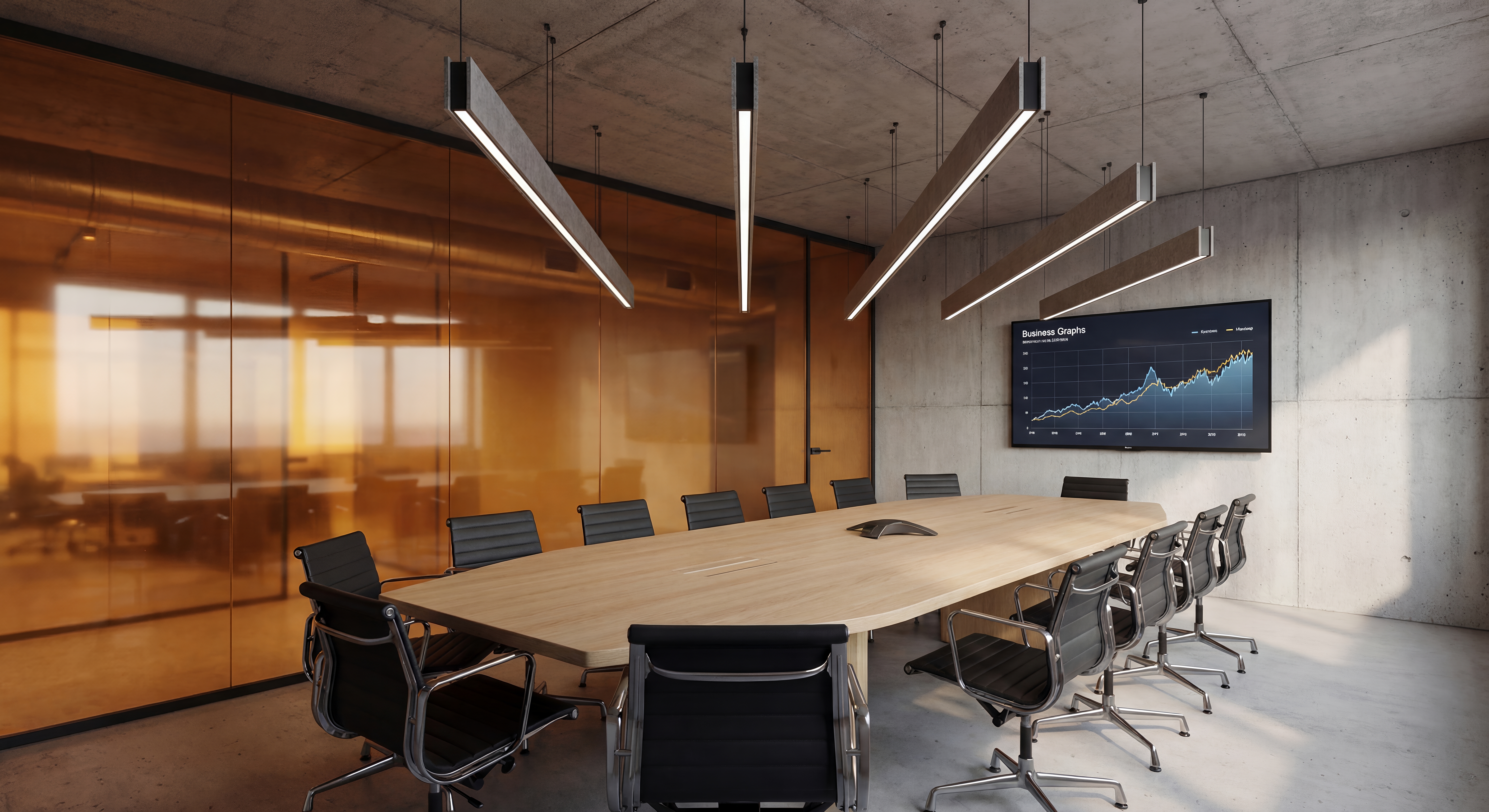
In 2026, your office is your most powerful recruitment and retention tool.
The companies that attract (and retain) the most talent no longer compete solely on salary. They compete on work experience. And the design of your workspace is the 60% of that experience.
This article demonstrates, with real-world examples, how strategic office design directly impacts your talent and productivity KPIs. It's not abstract well-being; it's measurable ROI.
The hidden cost of a poorly designed office
Real case: Tech startup with 45 people, Chamartín
Initial situation:
- Open-plan office with no personality (former coworking space)
- Annual turnover: 32%
- Average replacement cost per employee: €18,000
- Annual cost in turnover: €259,200
- Average sick days: 8.4/employee/year
- Spatial satisfaction (internal survey): 4.2/10
After redesign (investment €180,000):
- Annual turnover: 19% (relative -40%)
- Year 1 savings in turnover costs: €103,680
- Sick days: 5.7/employee/year (-32%)
- Spatial satisfaction: 8.6/10
- ROI: Investment recovered in 20 months solely through savings in turnover
What changed? Four strategic design levers:
1. Diversity of spaces: From a single open space to 7 different work types 2. Strong visual identity: The space reflects a company culture (it no longer looks like a generic coworking space) 3. Integrated well-being: Maximized natural light, treated acoustics, monitored air quality 4. Real flexibility: Spaces adaptable to different ways of working
Why your team is leaving (and how design solves it)
When you ask employees why they left their previous job, they rarely say “the office was ugly.” But when you analyze the real reasons, the space is there:
“I couldn’t concentrate” = Bad acoustics, open space without focus areas “I didn’t feel like I was part of the company” = Generic space without cultural identity “Going to work exhausted me” Artificial lighting, poor air quality, depressing design “I lacked flexibility” = Rigid spaces that do not allow you to choose where/how to work
Office design doesn't directly cause turnover. But it does create conditions for accumulated frustration, low energy, and cultural disconnection.
The data doesn't lie:
According to studies by Gensler and Leesman (2024), well-designed offices have an impact:
- Talent retention: +34%
- Perceived productivity: +28%
- Concentration capacity: +41%
- Effective collaboration: +37%
- Days of voluntary in-person attendance (hybrid): +52%
In Madrid, where the war for tech/digital talent is brutal, your office is a selling point. Or a weakness that the competition exploits.
The 6 design levers that most impact retention and productivity
1. Diversity of spaces: the end of the single open space
The biggest mistake in corporate design over the last decade was thinking that “collaboration = all together always”.
The reality: Your team needs different spaces for different jobs.
Essential office typologies 2026:
A) Spaces for deep concentration (focus rooms)
- Individual glass-enclosed booths or acoustic cabins
- Adjustable lighting (customizable)
- Plug & play technology (screen, connections)
- Availability signaling
Recommended ratio: 1 per 8-10 people. Budget: €2,500-€6,000 per cabin
B) Areas of active collaboration
- High tables, whiteboards, large screens
- Reconfigurable mobile furniture
- Absorbent acoustics to avoid disturbing others
- Energizing colors (oranges, yellows)
Ratio: 30-40% of total space Budget: €180-350/m²
C) Real meeting rooms
- Multiple sizes (2-4-6-12 people)
- Integrated professional videoconferencing
- Book via app (no "it's busy but empty")
- Premium acoustics
Ratio: 1 room per 8-12 people. Budget: €4,000-€12,000 per room depending on size.
D) Informal workspaces
- Sofas, armchairs, coffee tables
- Plenty of electrical outlets
- Warm lighting
- "coffee-home" feeling“
Ratio: 15-20% of space Budget: €220-400/m²
E) Disconnection zones
- No computers allowed
- Natural light preferred
- Green (plants)
- Quality coffee/tea machines
Ratio: 10-15% of space Budget: €150-280/m²
F) Phone booths
- For private calls
- Excellent soundproofing
- Forced ventilation (critical)
- Overhead lighting avoiding shadows on the face
Ratio: 1 per 15-20 people Budget: €1,800-€4,500 per unit
G) Hybrid spaces (library/lounge)
- Jobs that require calm but not isolation
- Indirect lighting
- Comfortable but ergonomic furniture
- Acoustic texture (panels, carpets, curtains)
Ratio: 10-15% of space Budget: €200-380/m²
Case study:
Strategic consultancy, 35 people, 320m², Salamanca
Before: Open space 80% + 3 meeting rooms 20%
- Complaint #1: “I can’t concentrate”
- Complaint #2: “There is always noise”
- Complaint #3: “There are never any free rooms”
After: Intelligent redistribution
- Focus rooms: 6 units (40m²)
- Meeting rooms: 5 of different sizes (65m²)
- Open collaborative: 120m²
- Informal/lounge: 55m²
- Phone booths: 4 units
- Services/circulation: 40m²
Result:
- Spatial satisfaction: 4.1/10 → 8.7/10
- Self-assessed productivity: +32%
- “I can choose where to work depending on the task”: 11% → 89%
Investment: €156,000 (€487/m²) Payback: 18 months (via retention + productivity)
2. Visible cultural identity: your office tells who you are
Generic offices kill company culture. If your space could belong to any company, your team won't feel an emotional connection.
Elements that build spatial identity:
A) Strategic color
- Use your corporate brand palette
- You don't need to paint everything red just because your logo is red.
- Apply color to strategic elements: a wall, furniture, signage
- It combines well with sophisticated neutrals (warm grays, beiges, off-whites)
B) Spatial Storytelling
- Company timeline in hallways
- Featured projects/clients viewed
- Company values translated into design (e.g., "transparency" = glass walls)
- Spaces with names related to your story (not “Room 1, Room 2”)
C) Art and visuality
- Local art or art by emerging artists (better than stock prints)
- Custom murals related to your industry
- Large team/project photographs
- Lighting installations statement
Art/visual budget: €3,000-€15,000 depending on office size
D) Materials that speak
- Wood = warmth, natural, sustainable
- Black metal = industrial, technical, modern
- Vegetation = well-being, freshness, life
- Exposed brick = history, authenticity, roots
Choose materials that are consistent with your brand message.
Example:
Fintech startup, 28 people, Malasaña
Values: Transparency, accessibility, innovation, approachability
Design translations:
- Glass walls in all rooms (literal transparency)
- Mural by local artist about financial inclusion
- Aqua green + coral palette (accessible, not cold corporate)
- Room names: cities where they have users (Medellín, Barcelona, Lisbon…)
- Spaces with multiple heights and uses (spatial innovation)
Investment in identity: €22,000 out of a total budget of €165,000
Result: Employee NPS +34 points. “I am proud to bring people to the office” went from 34% to 91%.
💡 Would you like to receive more insights on strategic office design?
Thousands of companies in Madrid are already transforming their spaces to retain talent and increase productivity. Subscribe to our newsletter and discover:
✅ Real cases with ROI numbers
✅ Updated budgets per m²
✅ Common mistakes that waste money
✅ Corporate design trends that work
3. Natural light and air quality: the invisible things that matter most
We talk about the visual aspect, but environmental factors have a huge impact on well-being and productivity.
Natural light:
Working with sufficient natural light (minimum 300 lux) improves:
- Sleep quality: +46 minutes per night (Northwestern study)
- Perceived energy: +35%
- Reduction of eye strain: -51%
- Fewer headaches: -63%
How to maximize natural light:
If you have windows:
- Don't block them with tall furniture.
- Use untinted glass (maximizes penetration)
- Technical curtains that filter without blocking (screen 5%)
- Seating arrangements prioritizing proximity to the window
If you don't have enough natural light:
- Circadian lighting (changes color temperature according to the time of day)
- Natural light simulators (e.g., Coelux, although expensive)
- Multi-layered indirect lighting (avoid single overhead lighting)
- 2700-3000K light bulbs in social areas, 4000K in areas of concentration
Premium lighting budget: €60-120/m²
Air quality:
The 90% offices in Madrid have CO2 levels exceeding 1000 ppm during the workday. Above 1000 ppm:
- Cognitive ability falls 15%
- Headaches increase
- Drowsiness appears (typical "post-meal sleepiness" which is CO2, not digestion)
Solutions:
Basic level:
- Natural cross ventilation
- Plants (although their actual effect is less than is believed)
- Ceiling fans (improve circulation)
Budget: €1,500-4,000
Advanced level:
- Mechanical ventilation system with heat recovery
- CO2 monitors + ventilation automation
- Air purifiers in spaces without direct ventilation
Budget: €8,000-€25,000 depending on size
ROI: Harvard studies show that improving air quality increases cognitive productivity. In a company of 40 people with an average salary of €45,000, this translates to €158,000-€216,000/year in productivity value.
4. Acoustics: the invisible problem that everyone suffers from
651,300 open-plan office workers report noise as their biggest frustration. And most offices have terrible acoustics by design.
The problem:
Hard materials + open spaces + many people = reverberation + high ambient noise.
Consequences:
- Loss of concentration every 11 minutes on average
- Need for music/headphones to “isolate” (which has its own cognitive cost)
- Conversations that are unintentionally annoying
- Acoustic fatigue at the end of the day
The solution is not absolute silence (that's unsettling). It's noise control.
Acoustic strategies by zone:
Open collaborative space:
- Absorbent acoustic ceilings (minimum coefficient 0.8)
- Vertical panels suspended between workstations
- Carpets or acoustic vinyl (instead of reverberating flooring)
- Partition screens with absorbent fabrics
Target: Reverberation time <0.6 seconds
Meeting rooms:
- Acoustic paneling on walls (grooved wood + absorption)
- Floating roofs
- Doors with acoustic sealing
- Do not place meeting rooms wall to wall without insulation.
Objective: Soundproofing >35dB between rooms
Concentration zones:
- Complete sound insulation
- Absorbent materials indoors (avoid echo)
- Silent air conditioning (<30dB)
Target: Background noise <35dB
Acoustic budgets:
- Basic acoustic treatment for open space: €45-80/m²
- Premium acoustic treatment: €90-150/m²
- Prefabricated acoustic booths: €2,500-€7,000/unit
- Meeting room soundproofing: €1,200-€3,500 per room
Real case:
Creative agency, 32 people, Chamberí, 280m²
Problem: Open space with high ceilings (3.8m), all wood flooring, smooth white walls. Result: Average noise level of 68dB. Impossible to concentrate.
Solution:
- Suspended acoustic ceiling in space 70%
- 18 vertically hung acoustic panels
- 3x2m carpets under work clusters
- Large potted plants (low absorption but psychological effect)
Acoustic investment: €16,800. Result: Noise level 52dB. Satisfaction +6.3 points in internal survey.
5. Real ergonomics (not catalog ergonomics)
Ergonomic chairs are not enough. Ergonomics is systemic.
Desks:
- Height-adjustable sit-stand desks are no longer a luxury, they are standard
- Minimum 140x70cm per person (no shared tables 60cm deep)
- Invisible cable management (under-desk trays)
Budget per workstation: €400-900 (desk + ergonomic chair)
Screens:
- Minimum 24″ (ideally 27″)
- Height adjustable via arm or support
- Second screen if work requires multitasking
Budget: €150-400 per position
Individual lighting:
- Each workstation requires task lighting control.
- Lamps with adjustable color temperature
- Minimum 500 lux on work surface
Budget: €60-180 per position
Movement spaces:
- Stretching areas
- Visible and attractive stairs (instead of hiding them)
- “Walking meetings” facilitated with suitable spaces
ROI ergonomics:
Absences due to back/neck pain represent an average of 1.8 days/employee/year. In a company of 40 people, this equates to 72 lost workdays/year. An ergonomic investment of €25,000 reduces this by 60-70%, resulting in savings of €18,000/year in absenteeism alone, not including productivity.
6. Flexibility and integrated technology
Hybrid offices require adaptable spaces, not fixed spaces.
Mobile furniture:
- Tables with lockable wheels
- Mobile whiteboards/panels for reconfiguring spaces
- Stackable chairs for events
- Modular shelving
Invisible technology:
- Sockets on the floor (no cables crossing)
- WiFi 6 with full coverage + 300Mbps
- Digital room booking system
- Screens in all rooms with wireless connection (Airplay/Chromecast)
- Professional videoconferencing (camera + ceiling microphones)
Digital signage:
- Screens at room entrances (real-time availability)
- Interactive maps of space occupation
- Event information/internal communication
Integrated technology budget: €120-280/m²
Do you need help with your space?
Complete the form below and one of our specialists will contact you within [number of days]. 24 hours. The first consultation is completely free.
Actual budgets according to type and size
Startup/Scale-up 20-40 people (150-300m²)
Comprehensive renovation, medium-high level:
- Demolition + base work: €45/m² = €6,750-€13,500
- Partitions/walls (rooms, focus rooms): €180/linear meter = €12,000-€18,000
- Flooring (vinyl/wood flooring): €35-65/m² = €5,250-€19,500
- Painting + finishes: €18/m² = €2,700-€5,400
- Layered lighting: €80/m² = €12,000-€24,000
- Acoustic treatment: €65/m² = €9,750-€19,500
- Efficient air conditioning: €110/m² = €16,500-€33,000
- Furniture (workstations): €650/person = €13,000-€26,000
- Common furniture (rooms, lounge): €35,000-60,000
- Integrated technology: €150/m² = €22,500-€45,000
- Signage + spatial branding: €4,000-€8,000
- Plants + decorative elements: €3,500-7,000
TOTAL: €143,000 – €279,000 Per m²: €480 – €930/m² Per person: €5,400 – €11,200
Construction timeframe: 8-12 weeks
Established company 50-80 people (400-600m²)
Premium comprehensive renovation:
- Base work + installations: €55/m² = €22,000-€33,000
- Glazed partitions + acoustic insulation: €280/linear meter = €28,000-€45,000
- Flooring (mix: wood flooring + carpet + vinyl): €55/m² = €22,000-€33,000
- Technical suspended ceilings + acoustics: €48/m² = €19,200-€28,800
- Paint + coatings: €22/m² = €8,800-€13,200
- Architectural lighting: €110/m² = €44,000-€66,000
- Premium acoustics: €95/m² = €38,000-€57,000
- Air conditioning for comfort zone: €140/m² = €56,000-€84,000
- Advanced ergonomic furniture: €850/person = €42,500-€68,000
- Common furniture + rooms: €65,000-95,000
- Technology + AV: €200/m² = €80,000-€120,000
- Acoustic booths (8 units): €28,000
- Digital signage + branding: €12,000-18,000
- Spatial identity (art, installations): €8,000-15,000
- Vegetation + biophilia: €6,000-12,000
TOTAL: €474,000 – €720,000 Per m²: €790 – €1,200/m² Per person: €7,900 – €12,000
Construction period: 12-18 weeks
Corporate 100-200 people (800-1,500m²)
Comprehensive corporate reform:
Estimated budget: €900 – €1,500/m²
Total: €720,000 – €2,250,000
Includes complete architectural project, execution, FF&E, technology, management change.
Timeframe: 4-7 months
The most expensive mistakes (and how to avoid them)
Mistake 1: Designing without understanding how your team works
The symptom: You finish the renovation and nobody uses the rooms you've created. Or worse: everyone wants the same kind of space and conflict arises.
Why does it happen? You decide the distribution from management without analyzing actual work behaviors.
The solution: Before designing, conduct a 2-4 week usage study:
- Map how the team uses the current spaces
- Survey what they need (not what they want)
- Observe patterns: How many people work away from their desks? When are the rooms busy?
- Design based on evidence
Cost of error: 15-30% of the budget in underutilized spaces
Error 2: Skimping on acoustics
The symptom: “The office looks beautiful, but you can’t work because of the noise.”
Why does it happen? Acoustics are invisible in renderings. Budget is prioritized over visual appeal.
The solution: Invest 8-12% of the total budget in acoustics. This is what most affects daily satisfaction.
Cost of error: Productivity -15%, turnover +18%, reputationally “failed” project
Mistake 3: Creating a “pretty Pinterest office” without its own identity
The symptom: A generic office that could belong to any company. Zero emotional connection among the team.
Why does it happen? Copying trends without adapting them to company culture.
The solution: Define your cultural identity first. Then translate it into design. Not the other way around.
Cost of error: Zero impact on retention or employer branding
Error 4: Not planning for growth
The symptom: The office becomes too small after 18 months. It's time to move or renovate again.
Why does it happen? Design for actual headcount, not projected.
The solution: Designed for +30-40% growth through spatial flexibility:
- Fewer permanent positions, more flexible positions
- Adaptable multipurpose rooms
- Scalable modular furniture
Cost of the mistake: New renovation or move in <3 years = total loss of ROI
Error 5: Technology as an afterthought
The symptom: Visible cables, insufficient sockets, WiFi that doesn't reach, rooms without tech for video calls.
Why does it happen? Decide on technology after the spatial design.
The solution: Integrate technology from the project stage. Structured cabling, planned power outlets, WiFi with site survey.
Cost of the mistake: Mediocre experience + an additional €5,000-€15,000 in patches
Success stories with real numbers
Case 1: Legal consultancy, 62 people, Castellana
Aim: Reduce turnover (28% annually) and improve the ability to recruit young talent.
Problem: Outdated office, like something out of a 90s law firm. Dark wood, poor lighting, no collaborative spaces. Junior staff were leaving for competition with modern offices.
Design solution:
- From closed offices to a hybrid model (partners: offices; rest: flex)
- Law library converted to digital → collaborative space
- Completely renovated lighting (LED 3000K)
- Light palette: whites + light wood + navy blue (maintain seriousness but refresh)
- Coffee/rest area with quality armchairs
- Art: Works by contemporary legal artists
Investment: €287,000 (550m², €522/m²)
Year 1 Results:
- Rotation: 28% → 16% (savings on replacement: €216,000)
- Average recruitment time: 89 days → 54 days
- Candidates accepting offers: 61% → 84%
- Employee NPS: +41 points
ROI: 9.7 months
Quote from the Managing Partner: “We stopped losing talent to competitors. The design brought us up to the level of firms that traditionally beat us in recruitment. And the senior team, skeptical at first, now boasts about the office to clients.”
Case 2: Fintech, 34 people, Azca
Aim: Create an office that reflects innovation and attracts tech talent (difficult to recruit).
Problem: Office in an old corporate building. Subdivided spaces, low ceilings, little personality. They were competing with startups in cooler spaces.
Design solution:
- Total demolition → open space with inserted “functional boxes” (rooms)
- Vibrant palette: emerald green + mustard + graphite
- 12m mural by local urban artist (theme: financial democratization)
- Play area (ping-pong, video games) integrated without looking childish
- Central kitchen as the social heart (large island, high stools)
- Industrial suspended lighting + custom neon with brand claim
- 4 acoustic pod booths for calls
Investment: €198,000 (285m², €695/m²)
Year 1 Results:
- Voluntary in-person attendance (hybrid model): 2.1 days/week → 3.8 days/week
- Conversion rate of candidates who visit the office: 58% → 91%
- Employee social media mentions: +340%
- Rotation: 22% → 11%
ROI: 14 months (via reduced turnover + savings in recruitment)
Unexpected bonus: The office became a venue for fintech ecosystem events. Brand awareness +120% in the sector.
Case 3: Marketing agency, 28 people, Malasaña
Aim: Design an office that is a business tool (receiving clients) and improves creative productivity.
Problem: Functional but soulless office. Retail/fashion clients expected to see creativity reflected in the space. The team felt "uninspired".
Design solution:
- “Ideas showroom” concept: each zone represents a creative phase (research, ideation, production, presentation)
- Eclectic materials: exposed brick + metal + neon + colorful textiles
- Presentation area with informal auditorium-style seating (12 people)
- Project wall: digital screens rotating current works
- Art gallery-style lighting in reception area
- XXL plants (6 ficus trees over 2m tall)
- Signage: Creative process phrases on vinyl
Investment: €124,000 (220m², €564/m²)
Year 1 Results:
- Closing new clients after office visit: 34% → 68%
- Space is used in pitches as an argument (“we are what we preach”)
- Self-assessed productivity: +28%
- Recruitment time: -41% (creative candidates want to work there)
- Appearances in press/design blogs: 7 (free PR)
ROI: 11 months (mainly through increased sales conversion)
Can we help you?
Leave your details in the form and we'll contact you in less than 24 hours. Free consultation.
Sustainability and office design: beyond greenwashing
In 2026, sustainability in offices is not marketing. It's operational and financial.
Why it matters (with numbers):
Certifications (LEED, WELL, BREEAM):
- They reduce operating costs: 13-20%
- Increase in asset value: 7-15%
- Talent retention improved: +12%
- They reduce absenteeism: -9%
Direct benefits:
Efficient LED lighting:
- Energy savings: 60-75% vs halogens
- Lifespan: 50,000h vs 2,000h
- ROI: 18-24 months
Smart climate control:
- VRV systems + zoning
- Savings: 30-40% vs traditional systems
- ROI: 3-5 years
Waste management:
- Waste separation is clearly marked
- Composting organic waste if there is a kitchen
- Reduction of disposable cups/plates
Sustainable materials:
- FSC certified wood
- VOC-free paints
- Furniture with environmental certifications
- Carpets made from recycled materials
Additional sustainability budget: +8-15% of the base cost
But it recovers in:
- Reduction in energy bills (2-5 years)
- Talent attraction (26% millennials prioritize sustainable companies)
- Reducing carbon footprint = future regulatory compliance
WELL Certification (wellbeing):
More relevant than LEED for offices where retention is critical.
Measures:
- Air quality
- circadian lighting
- Acoustics
- Ergonomics
- Nutrition
- Fitness
- Thermal comfort
- Healthy materials
Certification cost: €15,000-€40,000 depending on level. Impact on employer brand: high (still a differentiator in Madrid).
Project timing and planning
Typical phases of an office project:
1. Strategy + briefing (2-3 weeks)
- Analysis of current and future needs
- Workshops with stakeholders
- Study of current space use
- Definition of measurable objectives
- Budget and timing
2. Design concept (3-4 weeks)
- Distribution plants (3 options)
- Visual identity moodboards
- Preliminary furniture selection
- Cost estimate
3. Executive project (4-6 weeks)
- Complete technical drawings
- Material specifications
- Final furniture selection
- Detailed lighting
- Installations (electrical, climate, data)
- Budget closed
4. Permits and licenses (2-8 weeks)
- It depends on Madrid and the district.
- Building permit if there are structural changes
- Installation certificates
5. Construction phase (8-16 weeks)
- Demolition and foundation work: 2 weeks
- Installation: 3-4 weeks
- Partitions and finishes: 4-6 weeks
- Furniture and installation: 2-3 weeks
- Final styling: 1 week
6. Move-in and start-up (1-2 weeks)
- Relocation plan without affecting operations
- Technology testing
- Systems training
- Internal communication of change
Total timeline: 5-8 months
Can we continue operating during the construction?
It depends on the size and complexity.
Option 1: Single phase (closed office)
- Faster and more efficient
- Lower cost
- Requires temporary space or full remote work
Option 2: Progressive phases (operating)
- Work by zones/floors
- Slower (+30-40% time)
- More expensive (+15-20% cost)
- More disruption
- Lower final quality (impossibility of certain tasks)
Recommendation: If you can afford 2-3 months of remote work or temporary space, do it. The result is better and the cost is lower.
Working with EOLOS: what the process is like
At EOLOS, we design offices with three metrics in mind: retention, productivity, and employer brand. We don't design "pretty offices." We design business tools.
Our approach:
1. We understand your business first
- How do you actually work?
- What is your war for talent?
- What culture do you want to reinforce?
- Projected growth over 3 years?
2. We design with data
- Space usage studies
- Benchmark with competition
- Analysis of team behaviors
- Expected ROI modeling
3. We integrate brand, space and technology
- Your office tells your story
- Invisible but omnipresent technology
- Consistent experience at every touchpoint
4. We measure results
- KPIs agreed upon before starting
- Post-occupation follow-up
- Adjustments based on actual usage
Typical investment range: €480 – €1,200/m²
🏢 Does your office need strategic evolution?
Tell us about your current situation: team size, retention issues, and culture goals. We'll send you an initial assessment and investment estimate with no obligation.
Frequently Asked Questions
How long does it take to complete an office project?
From briefing to opening: 5-8 months on average. This can be reduced to 3-4 months for simpler projects or extended to 9-12 months for large corporate projects with complex permits.
Can I do the project in phases to spread the investment?
Yes, but there are trade-offs. Phased renovations by zones (e.g., first floor 1, then floor 2) work. Phased renovations by elements (e.g., first furniture, then lighting) produce worse results and can be more expensive in the long run.
Is the furniture included in these budgets?
Yes. When we say €650/station, it includes an adjustable desk, ergonomic chair, and lamp. The quotes per square meter include everything: construction, installations, fixed and movable furniture, technology, and decoration.
What about our current furniture?
We assess what can be reused (sustainability + savings). Quality pieces are integrated. Functional but not designer furniture can be updated with new upholstery. What's no longer usable, we arrange for donation or recycling.
Do we need to close the office during the construction work?
Not always. It depends on the scale. Works affecting general systems (HVAC, electrical) do require closure. Finishing renovations can be done in sections with a partially operational office. We analyze each case individually.
Do employees participate in the design?
Absolutely. We hold co-creation workshops where the team provides input on needs. We don't "design by committee" (that creates more problems than it solves), but the team's voice informs key decisions.
What happens if we grow more than expected?
That's why we design with flexibility. Fewer fixed workstations, more adaptable spaces. If you grow to 50% instead of the projected 30%, the space adapts. If you grow to 100%, it's time to move (but you'll have succeeded, so it was a worthwhile investment).
How do we actually measure ROI?
We establish KPIs beforehand: turnover, employee NPS, days worked in person (if hybrid), recruitment time, cost per hire, and self-assessed productivity. We measure before the reform and 6-12 months after. The numbers speak for themselves.
Do you only work in Madrid?
Primarily Madrid and surrounding areas (40km), where we can provide high-quality on-site support. Exceptional projects in other cities are possible if it makes sense.
Conclusion: Your office is an investment, not an expense
In 2026, with talent being the scarcest and most valuable asset, your office is:
✅ Your most visible recruitment tool
✅ Your most powerful retention lever
✅ Your daily productivity multiplier
✅ Your corporate culture statement
The numbers are clear:
- Typical ROI: 12-24 months
- Cumulative return over 5 years: 3-7x the investment
- Impact on retention: 25-40% less turnover
- Impact on productivity: 20-35% perceived improvement
You don't design an office to make it look pretty. You design it so your business runs better, your team is happier, and your ability to grow isn't limited by your inability to attract talent.
In Madrid, where every tech company, consultancy, agency and startup competes for the same pool of qualified talent, your office can be your competitive advantage.
Or your weak point that others exploit.
Is your company ready for the next level?
Let's design together the space your team deserves and your business needs.
📬 Don't miss our upcoming articles
We publish monthly guides on commercial space design, branding, and strategic interior design for growing businesses.
Useful content, real-life cases, zero spam.
SUBSCRIBE