
Conversation
Conversation with Ergent Durici: What Architects Forget When Designing Restaurants
Subscribe to our newsletter!
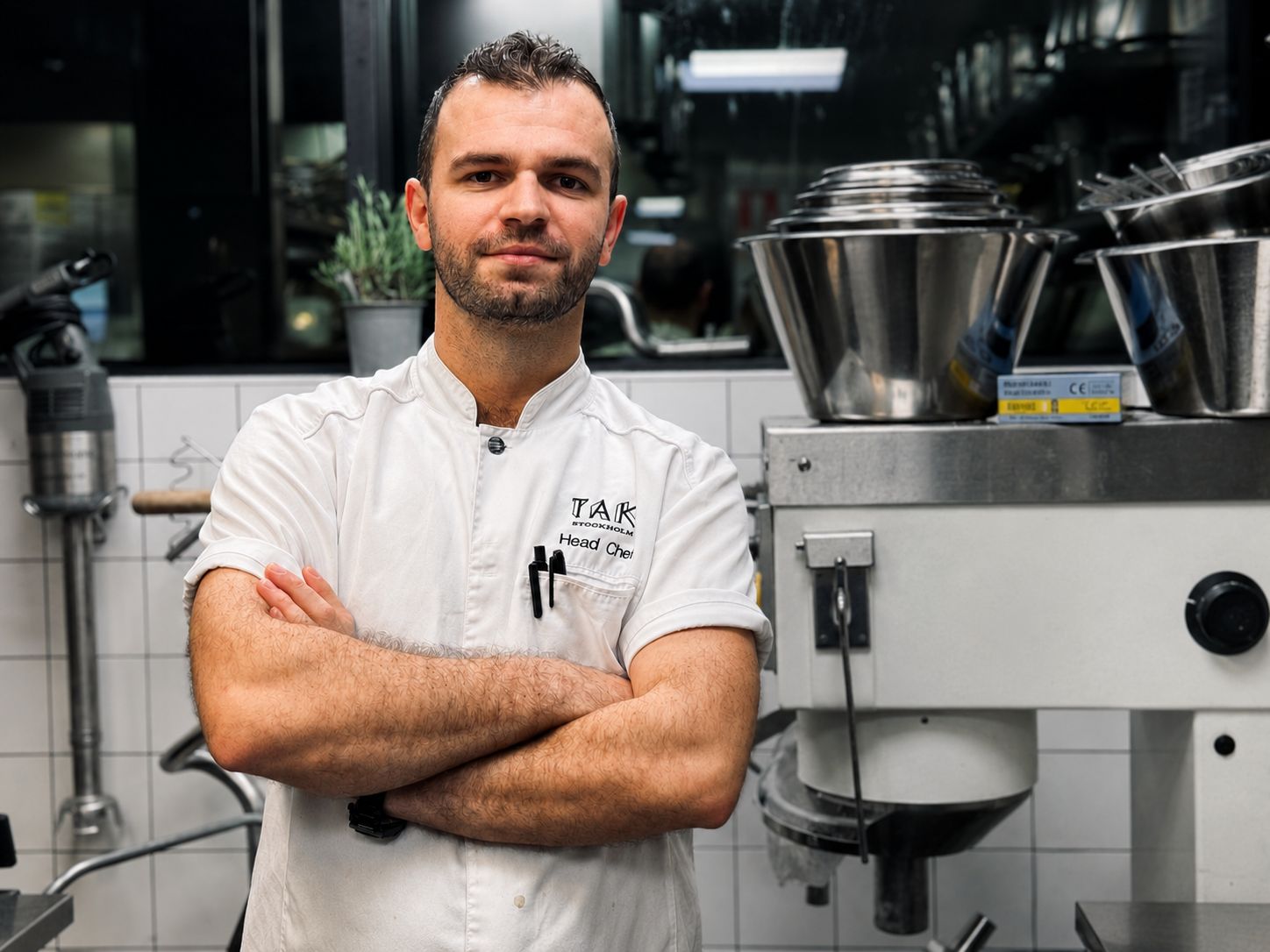
Ergent Durici has been leading kitchens for more than ten years. Today he is Head Chef at NENI Stockholm. We talked to him about something that is rarely solved with just a pretty picture: how the design of a restaurant affects the kitchen, the front-of-house team, the pace of service and the customer experience.
The value of this conversation does not lie in a specific city. A restaurant in Madrid, Barcelona, Marbella or Stockholm changes regulations, public and context, but the operational logic is the same: if the space does not allow to work well, the customer notices it.
The first error appears in the plane
The most common mistake in a restoration project is to design the kitchen as if it were a piece that fits together at the end. It is placed where there is a gap, not where it works best. The pass-through is far from the hot zone. The wash area interrupts the service entrance. The chamber or storage forces the equipment out of its flow just when the kitchen is under pressure.
In a crowded service, every unnecessary step is multiplied. It's not just wasted time. It is fatigue, noise, mistakes, tension and dishes that arrive worse than they should. Many problems that later appear to be personnel or management problems arise earlier, in a distribution decision.
That's why the chef should not enter the conversation when the plan is already closed. He should be there before, when it is still possible to move a door, change a circulation or correct a relationship between kitchen, pass and room.
The pass is the heart of the restaurant
The pass is the point where the kitchen stops being an internal production and becomes an experience for the customer. If that point fails, the whole restaurant slows down.
A misplaced pass forces waiters to cross, wait, invade the kitchen area or mix clean and dirty circuits. The customer may not see the problem, but he or she does perceive its consequences: late dishes, nervous service, table errors and a team that seems to be fighting against space.
A good pass needs width, visibility and direction. It must allow the kitchen to plate without absurd pressure, the room to pick up without blocking and the path to the dining room to be clear. This is not a technical detail. It is one of the most commercial points of the project, because it affects the sales rhythm of each service.
Acoustics also in the kitchen
Acoustics is often treated as a matter of customer comfort. It is, but it is also an operational issue. When the room is too loud, the equipment sounds worse, repeats orders, loses information and increases friction between the kitchen and the room.
A noisy restaurant not only tires the diner. It tires the team. And a tired team works worse, communicates worse and takes longer to regain control when service gets complicated.
Investing in acoustics is not about putting up panels because they look good in a design brief. It's about protecting the quality of service and the restaurant's ability to perform consistently, night after night.
Light decides how food is perceived
The same recipe can look much better or much worse depending on the lighting. Warm, well-directed light lifts texture, color and depth. Cold or flat light can make a well-cared-for dish look tired, gray or unintentional.
This matters more than ever because the restaurant also lives in the customer's photos. A picture on Google, Instagram or a booking platform can help sell the next table or it can turn off the desire before someone reads the menu.
The lighting of a restaurant should not be decided only with renderings. It should be tested with real dishes, real tableware and the atmosphere in which the customer is going to eat.
The charter should influence the distribution
A short menu does not require the same type of cooking as a long menu. A grill-based concept requires different ventilation, extraction and work zones than a cold-product restaurant, brunch or single-seat kitchen. The operation defines the space.
When the kitchen is designed before understanding the menu, the project works blindly. It can comply with measurements, regulations and aesthetics, but not respond to what is actually going to happen during service.
In hospitality, designing well doesn't mean creating an attractive image and then making the equipment fit. It means understanding what to cook, in what volume, at what pace and with how many people working at the same time.
What an architect should ask before drawing
Before defining a restaurant kitchen, the important questions are concrete: how many dishes go out per service, how many people work inside, where the pressure is concentrated, what the chef needs to see from the pass, how the product is moved, where the clean and dirty intersect, how the wash-up is managed at peak time and where the equipment rests.
None of these questions are about style. They're all about making the restaurant work. And when a restaurant works, the food comes out better, the service is orderly, the equipment lasts longer and the customer experience improves.
Restaurant design doesn't start with a pretty wall. It starts with an honest conversation between whoever draws the space and whoever is going to live inside it every day.
EOLOS DESIGN LAB designs restaurants, bars and hospitality spaces. We work with owners, operators and kitchen teams to make the design work in the real operation, not just in the photograph. If you are preparing an opening or renovation in Madrid, Barcelona, Marbella or the Costa del Sol, let us know where the project is at.