
Guide
What No One Tells You Before Hiring an Interior Design Firm for Your Business
Subscribe to our newsletter!
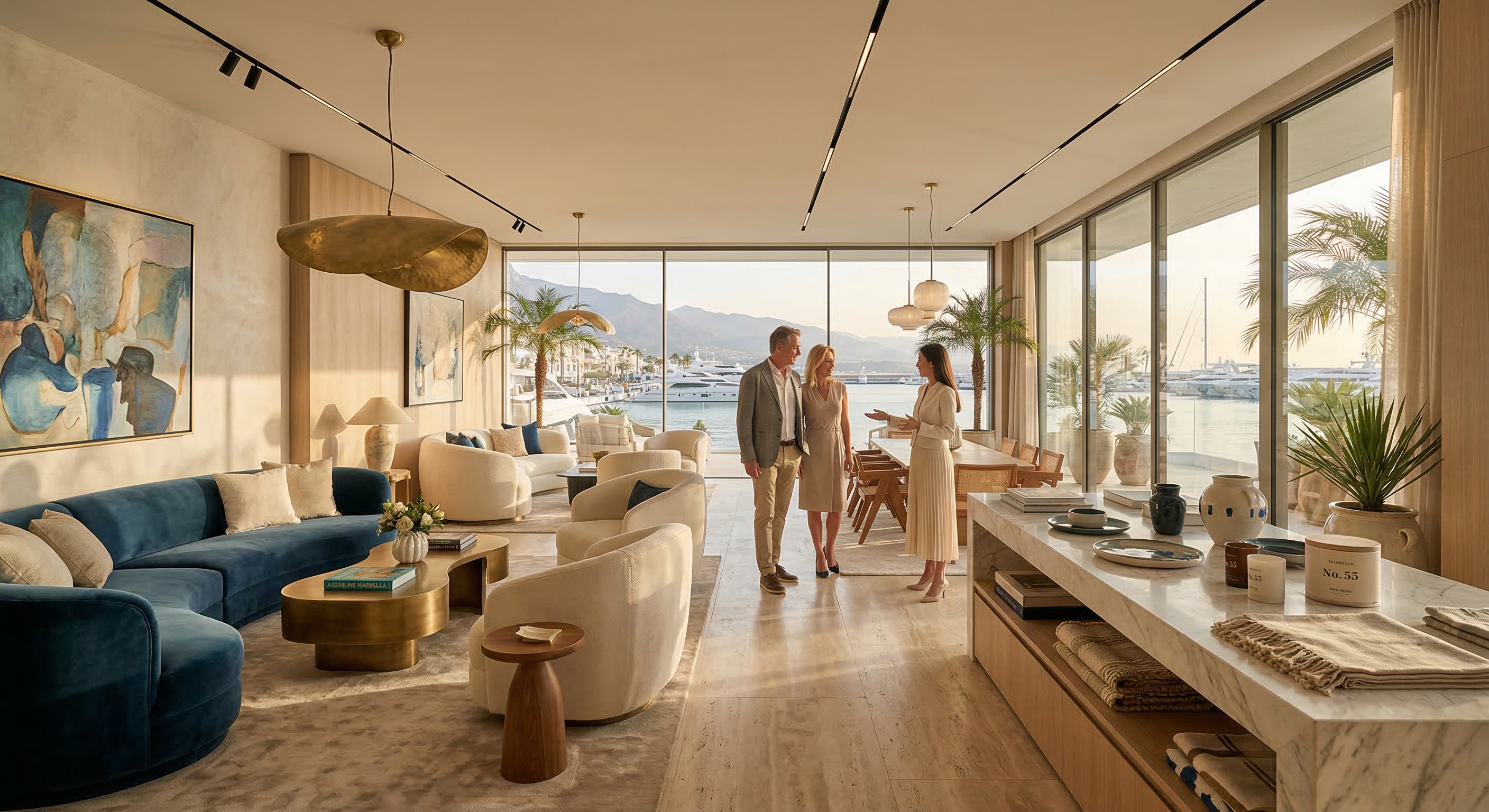
Most problems in commercial interior design projects don't arise during construction. They come afterward. The restaurant that opens with a poorly designed kitchen. The office that doesn't function according to how the team works. The clinic that didn't comply with technical regulations and needs further intervention. The retail space that communicates one thing in the render and another in reality.
What all these projects have in common is not bad luck. It's that the critical decisions weren't led by anyone with the experience or authority to make them well.
The gap between who presents and who responds
In a medium-sized study, the management sells the project. The concept is solid, the presentation is convincing, the meeting inspires confidence. You sign. What changes from then on isn't always visible: who leads your project, what level of experience they have, and how quickly they can make authoritative decisions when an unforeseen event arises.
The problems that cost money in commercial projects are usually not big, obvious mistakes. They are small decisions made without enough judgment, at the wrong time, by someone who didn't have the authority to solve them properly.
What a well-executed commercial project requires
A well-executed commercial interior design project requires the leader to understand how the business operates. They must have real technical expertise to resolve the unforeseen issues that inevitably arise. They need to be able to make decisions about materials, installations, and deadlines with the authority and experience to anticipate their consequences.
In hospitality, that means understanding how a kitchen service works before designing it. In offices, it means understanding what makes a workspace retain talent or drive it away. In clinics, it means mastering the specific technical regulations without learning them during your project. In retail, it means designing for real conversion, not for photography.
Credentials matter, and in this market, you have to ask for them.
In Spain, the title of architect is protected and requires mandatory registration with the COAM. Commercial interior design is not regulated in the same way. Anyone can offer interior design services without specific qualifications or comparable professional liability. When you hire a studio for a commercial project, you need to directly ask about their training, what certifications back their work, and who has real authority over the decisions for your project.
Eolos is managed by licensed architects with over 20 years of international experience. COAM N.25160. WELL AP accreditation by the International WELL Building Institute, directly relevant for offices, clinics, wellness hotels, and any space where the design's impact on people is part of the brief. Direct experience in large-scale residential projects for major Nordic developers, including Skanska, JM, and Bonava.
How Eolos works on each project
At Eolos, every project has a managing partner assigned from the moment the engagement is confirmed. That partner is responsible for design quality, technical coordination, the relationship with the contractor, and communication with the client. The team executes and supports. The partner leads and is accountable. This is the structure we work with, not a presentation promise.
We work with clients in hospitality, offices, retail, clinics, and coworking spaces. The starting point is always the same: understanding the business's operations before designing the space. A restaurant needs a kitchen that functions during service. An office needs its team to *want* to work in it. A clinic needs the patient to feel they are in the right place from the moment they walk in.
If you have a business project in Madrid and want to know from the beginning what it really entails, start with a conversation. The form is below.